
Maintenance & repairsBy the BVT Tuning team · October 28, 2026 · 6 min read
Basic Troubleshooting You Can Do Before You Visit
Warning lights, a simple OBD scan, fuses and quick checks you can do yourself — and when to stop and book a visit in Quezon City.

A warning light, a dead accessory or a car that will not start can leave you unsure what to do next. A few simple checks can help you decide when to stop driving and give the workshop useful information.
Start by recording the symptoms. Avoid clearing fault codes or disconnecting the battery just to switch off a warning light: that can erase information needed for diagnosis.
Only check the car somewhere safe. On a busy road, getting yourself and your passengers out of danger comes first.
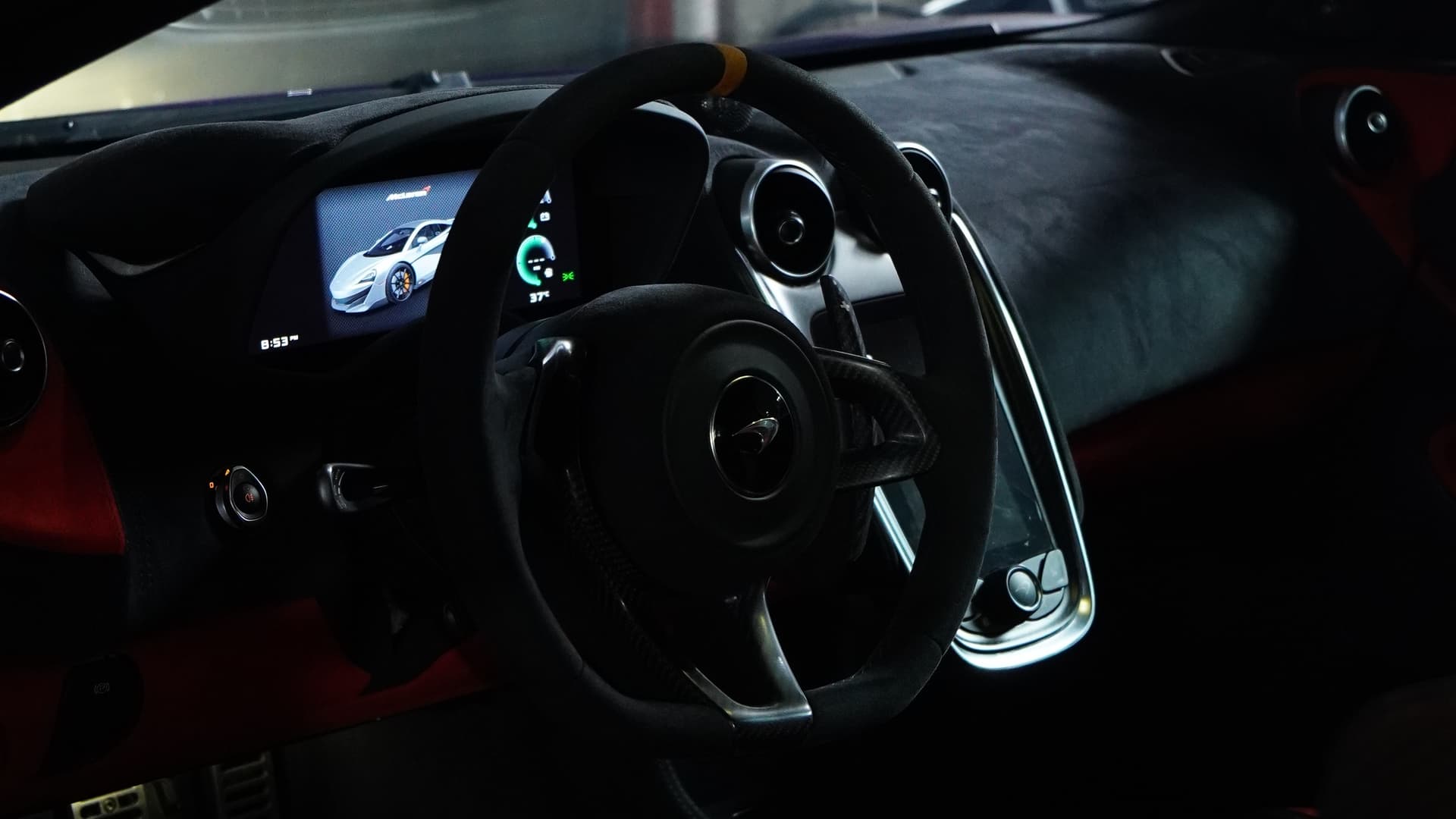
Read the warning light before doing anything else
Warning symbols and instructions vary by car. Check your owner's manual for the meaning of the exact light you see, and take a photo of the dashboard while safely parked.
Steady check-engine light
A steady light needs attention, but the light alone does not tell you whether the car is safe to drive. Note any rough running, unusual smells, loss of power or other warnings.
If the car feels normal and the owner's manual permits continued driving, arrange diagnosis promptly and avoid hard acceleration. If it runs badly or you are unsure, stop safely and arrange assistance. Read our guide to the check engine light.
Flashing check-engine light
A flashing check-engine light can indicate an active misfire that may damage other components. Ease off the accelerator, stop somewhere safe and switch off the engine. Arrange assistance rather than continuing your journey.
Oil pressure, temperature, brake or battery warning
These warnings need prompt attention, but each means something different:
- Oil pressure: Stop safely and switch off the engine. A correct oil level does not prove that oil pressure is safe.
- High coolant temperature: Stop safely and switch off the engine. Never open a hot cooling-system cap.
- Brake warning: Check whether the parking brake is fully released. If the warning remains, the pedal feels soft or braking changes, stop and arrange recovery.
- Battery or charging warning while the engine is running: The charging system may have a fault. Pull over safely and arrange assistance; the engine may stall or fail to restart.
ABS, airbag or steering warning
These can mean a safety function is unavailable or reduced. Check the owner's manual before continuing. If steering or braking feels different, stop and arrange recovery.
What a basic OBD scan can tell you
A compatible OBD reader can retrieve diagnostic trouble codes from the car. Port location, compatibility and available data depend on the model, year and market specification—particularly with imported vehicles in the Philippines.
A basic reader may show engine-related codes and freeze-frame data: a snapshot of operating conditions when a fault was recorded. It may not access ABS, airbag, transmission or body modules.
If you already have a compatible reader:
- Park safely and follow the reader's connection instructions.
- Save the exact codes, including any letters and numbers.
- Capture the code status and freeze-frame data if available.
- Leave the codes stored for the workshop to inspect.
A code identifies a detected condition or affected system. It does not automatically identify the part that needs replacing. Wiring, connectors, leaks and other faults can produce similar codes.
For further checks, book a car diagnostic scan Quezon City.
Check fuses without guessing
A failed accessory may have a blown fuse, but the cause still needs checking.
Use the owner's manual to find the correct fuse box and circuit. Switch off the ignition and the affected accessory before inspecting a fuse, following the vehicle's instructions.
If replacement is permitted, use only the specified fuse type and rating. Never fit a higher-rated fuse, bridge the terminals or keep replacing a fuse that blows again.
Mention any recently fitted dashcam, tracker, stereo or charging accessory. Its installation may be relevant to a dead circuit or battery drain.
If the OBD reader will not power up, check compatibility and the fuse identified in the vehicle's wiring information. The diagnostic port may share a circuit with another accessory; the arrangement depends on the car.
Check visible fluid levels and obvious damage
Park on level ground and follow the owner's manual for each check. Oil-level procedures vary: some cars use a dipstick, while others require an electronic reading under specific conditions.
Checks you can make without dismantling anything include:
- Engine oil: Check using the vehicle's specified procedure. Do not overfill.
- Coolant: Inspect the reservoir level when cold. Never remove a hot cooling-system cap.
- Leaks: Note the location, colour and smell of any fluid under the car. Clear water after using the air conditioning may be condensation, but an unfamiliar leak needs checking.
- Tyres: Look for obvious deflation, cuts or bulges. Use a gauge and the vehicle's pressure placard; the correct pressure depends on the car and load.
- Loose panels: Look for a hanging undertray or other damage after a pothole, steep ramp or speed bump. Do not crawl under an unsupported car.
Keep hands clear of belts and fans, which may start unexpectedly.
A fuel smell, smoke, grinding brakes or a substantial fluid leak is a reason to stop driving and arrange assistance. For diagnosis and repairs, describe what you noticed and when it happened.
After heavy rain or flood exposure
If the engine stalled in floodwater, do not try to restart it. Water may have entered the intake or affected electrical components. Arrange recovery and tell the workshop how deep the water was, as best you can judge safely.
Even if the car still runs, report warning lights, damp carpets, unusual noises or electrical faults that appeared after heavy rain or flooding.
What to send us before you arrive
Useful details help us plan the inspection:
- Car make, model, year and engine or variant, if known
- Whether it starts and runs
- Photos of warning lights, noting whether they stay on or flash
- Exact OBD codes and whether anyone has cleared them
- When the symptoms began and whether they occur cold, warm, in traffic or after rain
- Recent servicing, parts installations, battery work, jump-starts or flood exposure
- A short recording of an intermittent sound or symptom, captured while safely parked or by a passenger
You do not need to diagnose the fault yourself. A clear description is useful even without a scanner.
FAQ
My warning light went out by itself. Is the problem fixed?
Not necessarily. Some faults occur intermittently, and stored or pending codes may still help explain what happened. Arrange an inspection if the car ran badly, the warning returns or you noticed other symptoms.
Can I disconnect the battery to reset everything?
Avoid doing this just to clear a warning. It may erase diagnostic information and require vehicle-specific reset or relearning procedures. Record the symptoms and arrange a scan first.
The scanner shows an oxygen-sensor code. Should I replace the sensor?
The code alone is not enough to confirm a failed sensor. The circuit, wiring and operating conditions need checking before choosing a repair.
The OBD port has no power. What should I check?
Follow the owner's manual or vehicle-specific wiring information to identify the relevant fuse. A reader that will not connect may also have a compatibility or communication issue. Do not probe or bridge diagnostic-port pins.
My battery keeps going flat. Will a scan find the cause?
A scan may provide clues, but battery condition, charging performance and electrical draw may need separate checks. Tell us how long the car sits between drives and whether accessories remain connected. See our guide to battery parasitic drain.
When should I stop driving?
Stop safely for an oil-pressure warning, overheating, a flashing check-engine light, a fuel leak, smoke, abnormal braking or steering, or any symptom that makes the car unsafe to control. Arrange recovery when continued driving could cause damage or put people at risk.
Related services and workshop work
- Service: car diagnostic scan Quezon City · repairs
- Portfolio: Builds
- Related guides: Check engine light explained · Battery parasitic drain
Book a visit
Still have a warning light, starting problem or unexplained noise? Send BVT Tuning your symptoms, dashboard photos and any saved codes so we can arrange the next step.
Visit 44 Igdalig St, Quezon City · Mon–Sat 11:00–20:00.
Book a visit or message us on WhatsApp at 0998 593 6868.


