PPF & protectionBy the BVT Tuning team · October 28, 2026 · 4 min read
Why quality PPF matters in the Philippines
How Philippine UV, heat and rain punish cheap paint protection film — and what quality PPF actually changes for cars in Quezon City.

Philippine sun is not gentle on paint. UV, heat, sudden rain and gravel from wet roads all hit the clear coat hard. Paint protection film (PPF) is the clear layer that takes that abuse instead of your paint — but only if the film itself can handle this climate.
Cheap film often looks fine on day one. A year or two later it yellows, hazes or lifts at the edges. This guide explains why quality PPF matters here, what goes wrong with bargain film, and how we approach PPF Quezon City installs at BVT.
What PPF is doing on the car
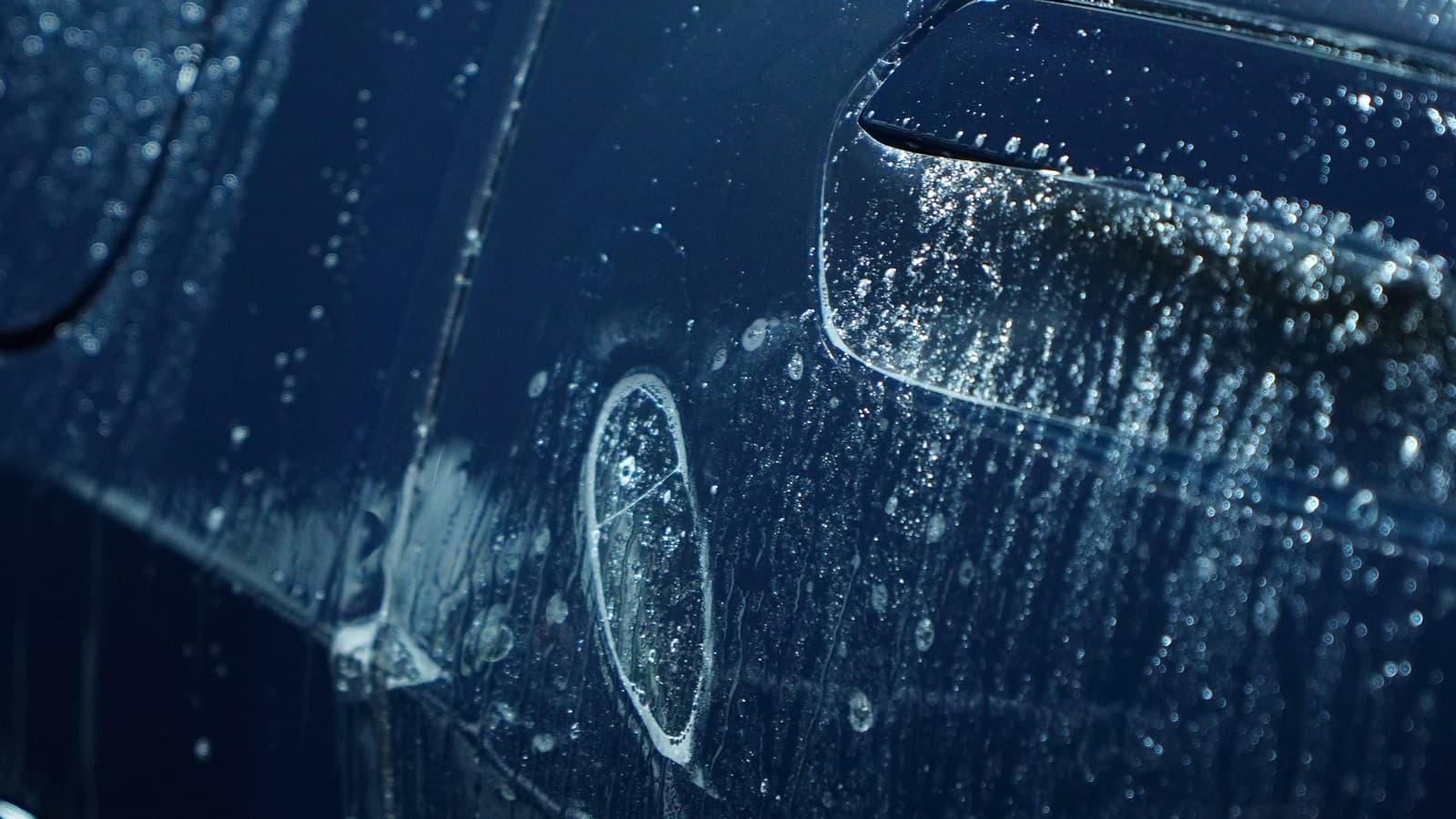
PPF is a thick, clear urethane film. It covers high-impact panels — full front, or full body — and takes stone chips, light scratches and some chemical fallout that would otherwise mark the paint.
Quality film also blocks a large share of UV before it reaches the clear coat. That matters in Quezon City, where cars sit in open parking and crawl through hot traffic for hours.
It is not a magic shield. Sharp impacts still hurt. Poor install still fails. The film grade and the fitment both have to be right.
What Philippine weather does to film
UV. Strong year-round sun breaks down weaker adhesives and top coats. That is the main path to yellowing and a cloudy look, especially on white and light paint.
Heat. Horizontal panels (hood, roof, boot) cook. Soft or poorly formulated film can shrink, edge-lift or show distortion.
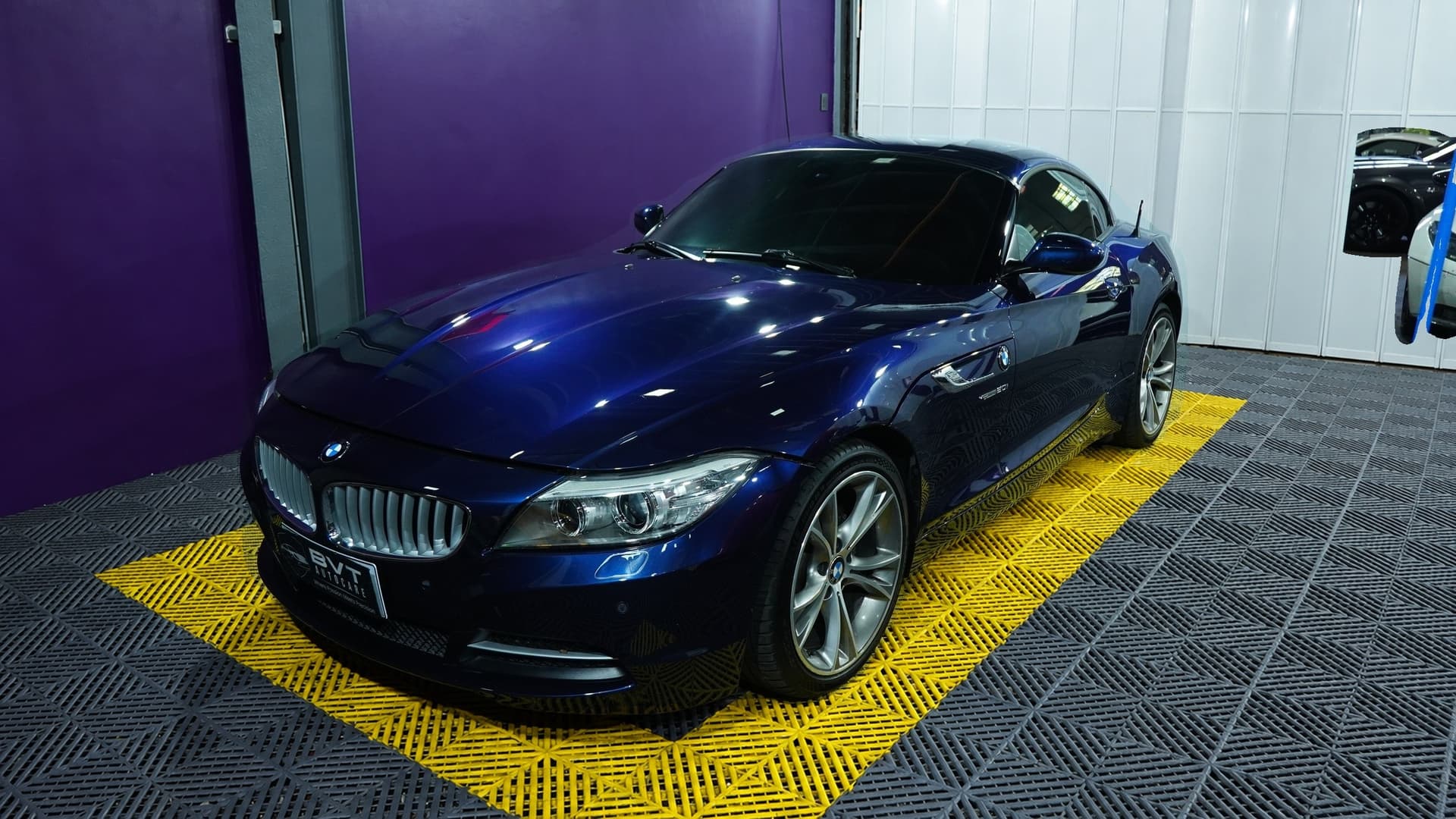
Rain and humidity. Water finds weak edges. If the adhesive was cheap or the panel was not prepped, you get lifting and dirt trapped underneath.
Road debris. Wet asphalt throws grit. Front bumpers, leading edges of the hood and side mirrors take the hits first — which is why full-front packages are the usual starting point.
Cheap film vs quality film
| Bargain film | Quality film |
|---|---|---|
Clarity over time | Often yellows or hazes | Stays clearer for longer under UV |
Adhesive | Can lift in heat and rain | Holds on well-prepped panels |
Self-healing top coat | Thin or missing | Light swirl marks relax with heat |
Install forgiveness | Shows every stretch mark | More workable in skilled hands |
Removal | Can leave mess or stain | Cleaner peel when done right |
The film brand matters. So does who puts it on. A strong film installed with dirt under the edge will still fail. A careful install of weak film still yellows.
Films we work with for PPF Quezon City jobs include XPEL, STEK, 3M, SunTek, Avery Dennison and Shinobi Films. At BVT we have had especially good results with Shinobi films in local conditions — that is our shop experience talking, not a lab ranking. Ask us which grade fits your car and how you park it.
Coverage that actually makes sense
- Full front: bumper, hood, fenders, mirrors. Covers where chips start.
- High-impact add-ons: A-pillars, rocker panels, door edges.
- Full body: when the car is new, a colour-change build, or the owner wants maximum coverage.
Matte and colour PPF are options when you want protection and a finish change in one layer. For a pure colour change without heavy protection, see our guide on colour wrap vs repaint.
On American muscle we often start with full front; more on that under Mustang PPF.
Care after install
Hand wash for the first period your installer specifies. Avoid brushing automatic washes that catch edges. Park in shade when you can. If a corner lifts, bring it in early — small lifts are easy; dirt under a long lift is not.
A ceramic topper on PPF can make washing easier. It does not replace the film.
FAQ
Will all PPF yellow eventually?
Every film ages. Quality UV-stable films stay clearer much longer under Philippine sun. Cheap film often shows colour shift within the first couple of years.
Is ceramic coating enough instead of PPF?
Ceramic helps with gloss and washing. It will not stop stone chips the way film does. Many owners run both: PPF on impact zones, ceramic on top.
Full front or full body?
Full front covers the damage zone for most daily drivers. Full body makes sense on new cars, show builds or when you want even gloss and protection everywhere.
Can you wrap over existing chips?
Film follows the surface underneath. Deep chips and peeling clear coat should be corrected first, or they show through and can cause adhesion problems.
Related
- Service: PPF Quezon City
- Car hub: Mustang PPF
- Related guide: Colour wrap vs repaint