Performance partsBy the BVT Tuning team · October 28, 2026 · 5 min read
Choosing Tyres for Philippine Roads
How to choose performance tyres for heat, rain and Quezon City roads — size, load and speed ratings, wet grip, and when to replace.

Choosing tyres for Philippine roads means planning for hot days, sudden downpours, patched asphalt and everyday traffic. The right choice needs to suit your car, your wheels and the roads you actually drive.
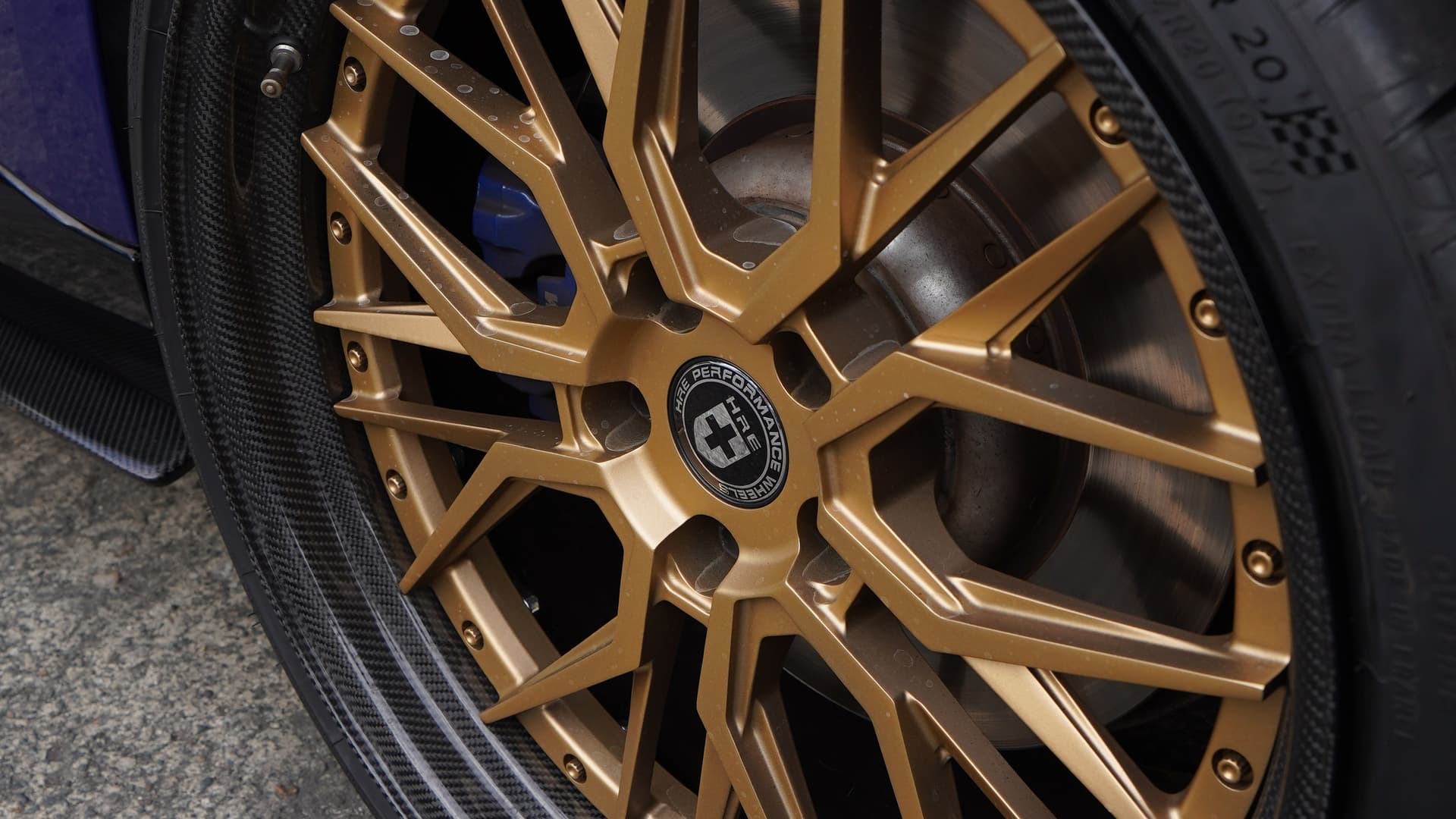
Start with the vehicle maker’s specifications, then consider wet grip, comfort, clearance and running costs. If you are planning a wheel change, BVT can help assess tyre fitment alongside your forged rims Quezon City package. This guide covers fitment advice.
Read the sidewall before you shop
A tyre marked 245/40R18 97Y tells you:
- 245: nominal tyre width in millimetres.
- 40: sidewall height expressed as a percentage of the tyre’s width.
- R: radial construction.
- 18: wheel diameter in inches.
- 97: load index, which corresponds to a rated load capacity.
- Y: speed rating, which corresponds to a rated speed under specified conditions.
Check the owner’s manual and tyre placard for your car’s approved sizes, load requirements and cold pressures. Speed-rating codes follow a defined system; they are not a simple alphabetical ranking or permission to drive at that speed.
A tyre that fits the wheel is not automatically suitable for the car. Its load capacity, overall diameter and compatibility with the vehicle’s systems also matter.
Choose for wet roads, not just the label
“Summer,” “performance” and “all-season” describe broad categories. They do not tell you how every tyre will behave in Philippine rain.
Compare the specific model’s wet-braking performance, water clearance, comfort and intended use. A road tyre suited to daily rain may be a better match for your routine than a track-focused option chosen for dry grip.
Think about your usual driving:
- City use: prioritise wet braking, comfort and predictable handling over broken surfaces.
- Expressway trips: consider wet stability, noise and the car’s load requirements.
- Occasional track use: check whether the tyre remains suitable for your daily routes and rainy journeys.
Price and an aggressive tread pattern alone cannot tell you which tyre suits your car.
Plan for heat, rain and rough surfaces
Use the correct cold pressures
Start with the vehicle maker’s cold-pressure recommendations for your tyre size and load. The maximum pressure printed on the sidewall is not your everyday target.
Check pressures regularly and before longer trips. The correct figure depends on the car, fitment and load; avoid copying another owner’s settings.
Give standing water more space
Tyre condition, tread depth, speed and water depth all affect the risk of losing contact with the road. Even new tyres have limits. Slow down in heavy rain and leave more braking distance.
Avoid floodwater where possible. Its depth and the condition of the road underneath can be difficult to judge. After a significant pothole strike or suspected damage, have the tyre and wheel inspected.
Check clearance after changes
If you change wheel size or lower the car on coilovers, check tyre clearance at full steering lock and through suspension travel. Clearance must account for passengers, luggage and road dips, not just how the car sits when parked.
Rubbing needs a fitment check before it damages the tyre or surrounding parts.
Match the tyres to the wheels and the car
Wheel width, diameter and offset affect tyre fitment and clearance. A wider tyre is not automatically a better choice, and a larger wheel can reduce the sidewall available to cushion rough roads.
Before committing to a package, check:
- Whether the tyre size is approved for the wheel width.
- Whether the wheel and tyre meet the car’s load requirements.
- Clearance around the arches, suspension and brakes.
- Overall rolling diameter and any vehicle-specific limits.
- Compatibility with tyre-pressure monitoring equipment, where fitted.
Some cars use different front and rear sizes from the factory. AWD systems can also have specific requirements for tyre size and differences in wear. Follow the guidance for your model rather than applying a universal tolerance.
Browse the Builds portfolio for wheel and suspension references. A setup shown on another car still needs checking against your own model and specification.
Arrange alignment separately
BVT does not offer wheel alignment.
After wheel or suspension changes, arrange an alignment assessment with a provider that does. The required settings depend on the vehicle and its setup. Incorrect alignment can cause uneven wear and affect handling.
BVT can discuss wheel specifications and tyre clearance as part of fitment planning.
Know when a tyre needs attention
Do not judge a tyre by tread depth alone. Look for uneven wear, cuts, cracking, bulges, exposed cords and pressure loss.
A bulge, exposed cords or suspected structural damage calls for prompt professional assessment before further driving. Whether a puncture can be repaired depends on its location, extent and the tyre manufacturer’s guidance.
Replace tyres before they exceed the applicable wear limits. Age also matters, even on a car that covers little distance. Inspection intervals and replacement guidance depend on the tyre maker, vehicle requirements, storage and use; there is no single calendar limit for every car.
If wear is concentrated on one edge or pressure keeps dropping, investigate the cause before fitting replacements.
FAQ
Can I fit wider tyres for the look?
Possibly, but the size must suit the wheel, vehicle and available clearance. Width alone does not guarantee more grip. Check the complete fitment before ordering.
Do expensive tyres always last longer?
No. Service life depends on the tyre’s intended use, driving conditions, pressures, alignment and maintenance. Choose for the balance of grip, comfort and wear that suits your driving.
Should all four tyres match?
Follow the vehicle maker’s requirements. Matching tyre models and specifications helps maintain consistent behaviour, while factory staggered setups may require different front and rear sizes. AWD cars can have additional limits on differences in rolling circumference and wear.
Can I rotate a staggered setup?
Rotation options depend on the front and rear sizes, tyre construction and any directional or asymmetric mounting requirements. Follow the instructions for your car and tyres.
Can BVT help choose a size for new wheels?
BVT can discuss tyre fitment, wheel specifications and clearance for a planned wheel package. Bring your current tyre size and details of any suspension or brake changes.
Will BVT align the car after a wheel change?
No. BVT does not do wheel alignment. Arrange that work with an alignment provider.
Related
- Service: forged rims Quezon City · coilovers / suspension
- Portfolio: Builds
- Related guide: Coilovers vs air suspension
Book a visit
Planning new wheels or checking clearance? Send your car’s make, model and year, current wheel and tyre sizes, and details of any suspension or brake changes. BVT can help you assess the fitment before you commit to a wheel package.
BVT Tuning · 44 Igdalig St, Quezon City · Mon–Sat 11:00–20:00
Brand names describe compatibility. BVT Tuning is an independent workshop.
Book a visit · WhatsApp 0998 593 6868