Performance partsBy the BVT Tuning team · October 28, 2026 · 4 min read
Real vs fake carbon fiber body kits
How to tell real carbon fiber from printed plastic or FRP lookalikes — weave, weight, backside — before you buy a hood, wing or lip.

A lot of parts sold as "carbon fiber" are not. Some are printed plastic. Some are fiberglass with a carbon vinyl wrap. Some are real wet or dry carbon. From three metres away they can look the same. On the car — and a year later under Philippine sun — they do not behave the same.
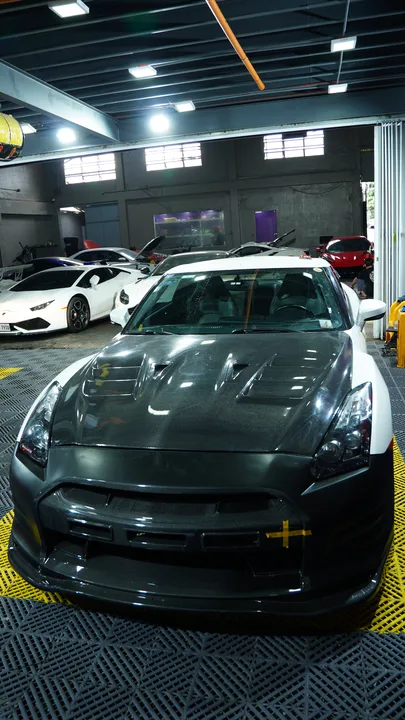
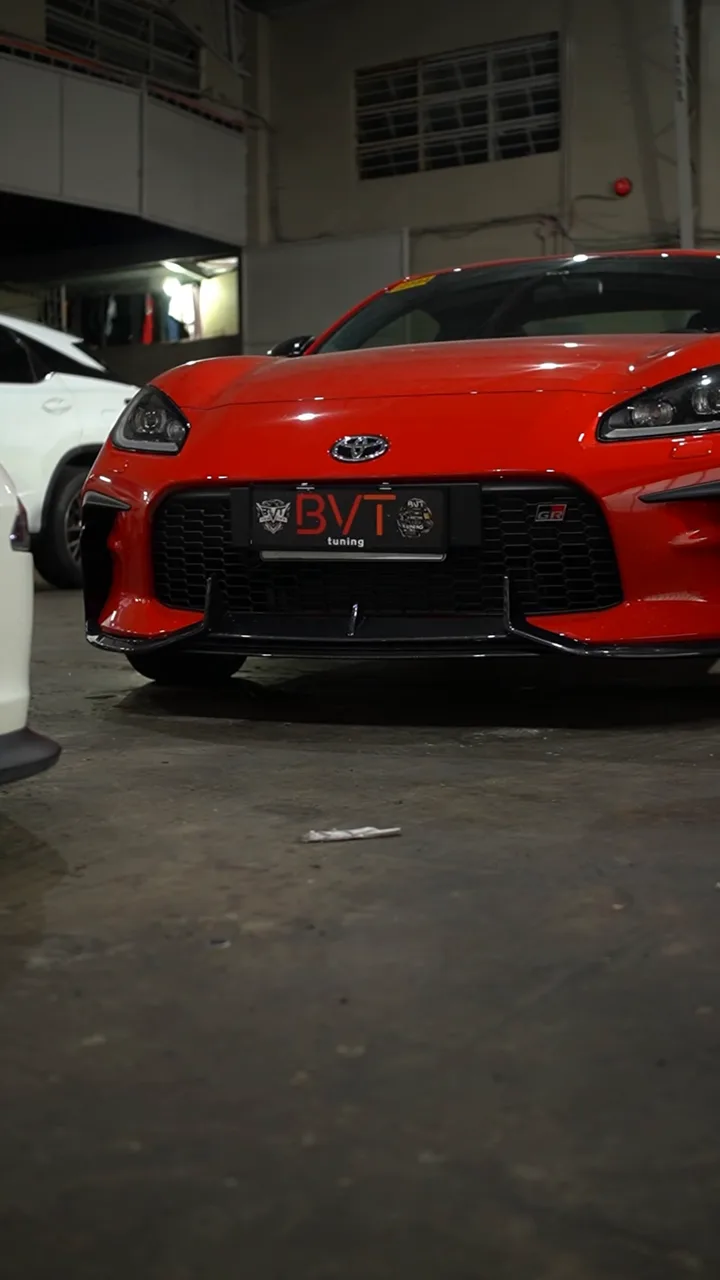
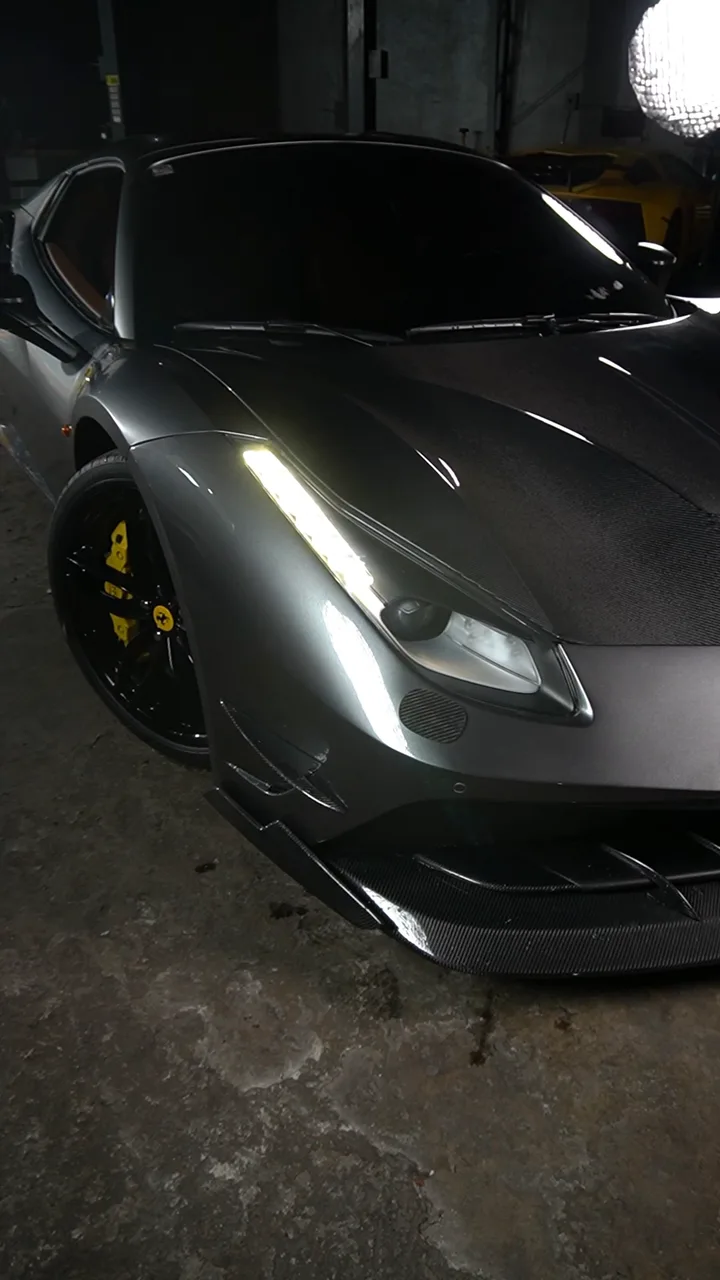
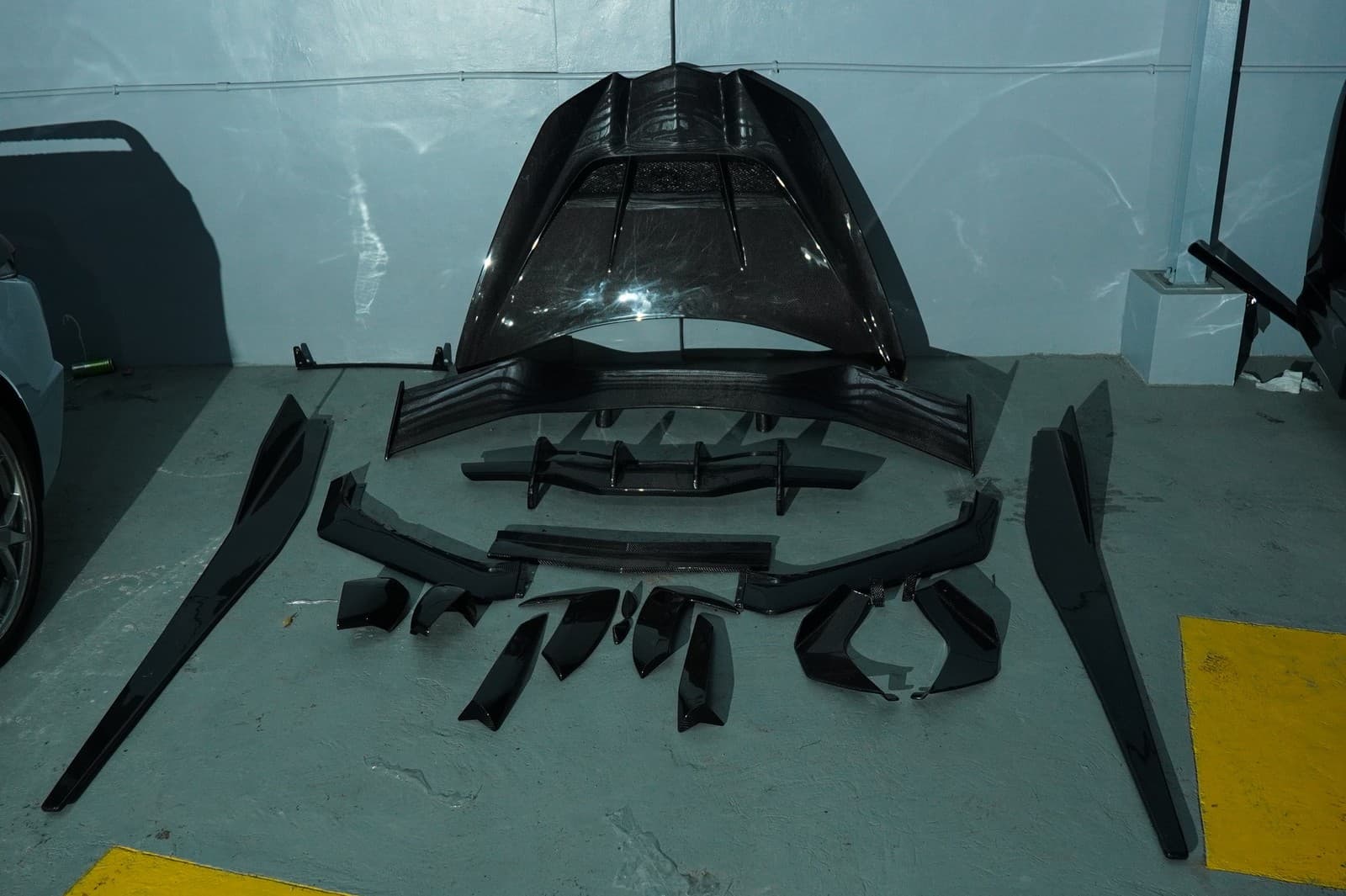
BVT fits a lot of aero and carbon work: hoods, wings, lips, mirrors, steering wheels. This guide is how we talk through real vs fake carbon fiber body kit parts before anything goes on a GR86, GT-R or anything else in the bay.
Why the material matters
Real carbon fiber is cloth and resin, cured into a stiff, light shell. That is why people want it on hoods and big wings — less mass, more rigidity, and a weave that has depth.
Fake carbon only copies the look:
- Hydrodip / water-transfer print on plastic or ABS
- Carbon-look vinyl wrapped over plastic or FRP
- Painted weave that sits on the surface only
Those parts can look sharp when new. They add little or no weight saving. The print can peel, UV can fade the pattern, and a flexy lip will crack where a proper piece would hold.
Fiberglass (FRP) aero sold honestly as FRP is fine for many street kits. The problem is FRP or plastic marketed as carbon.
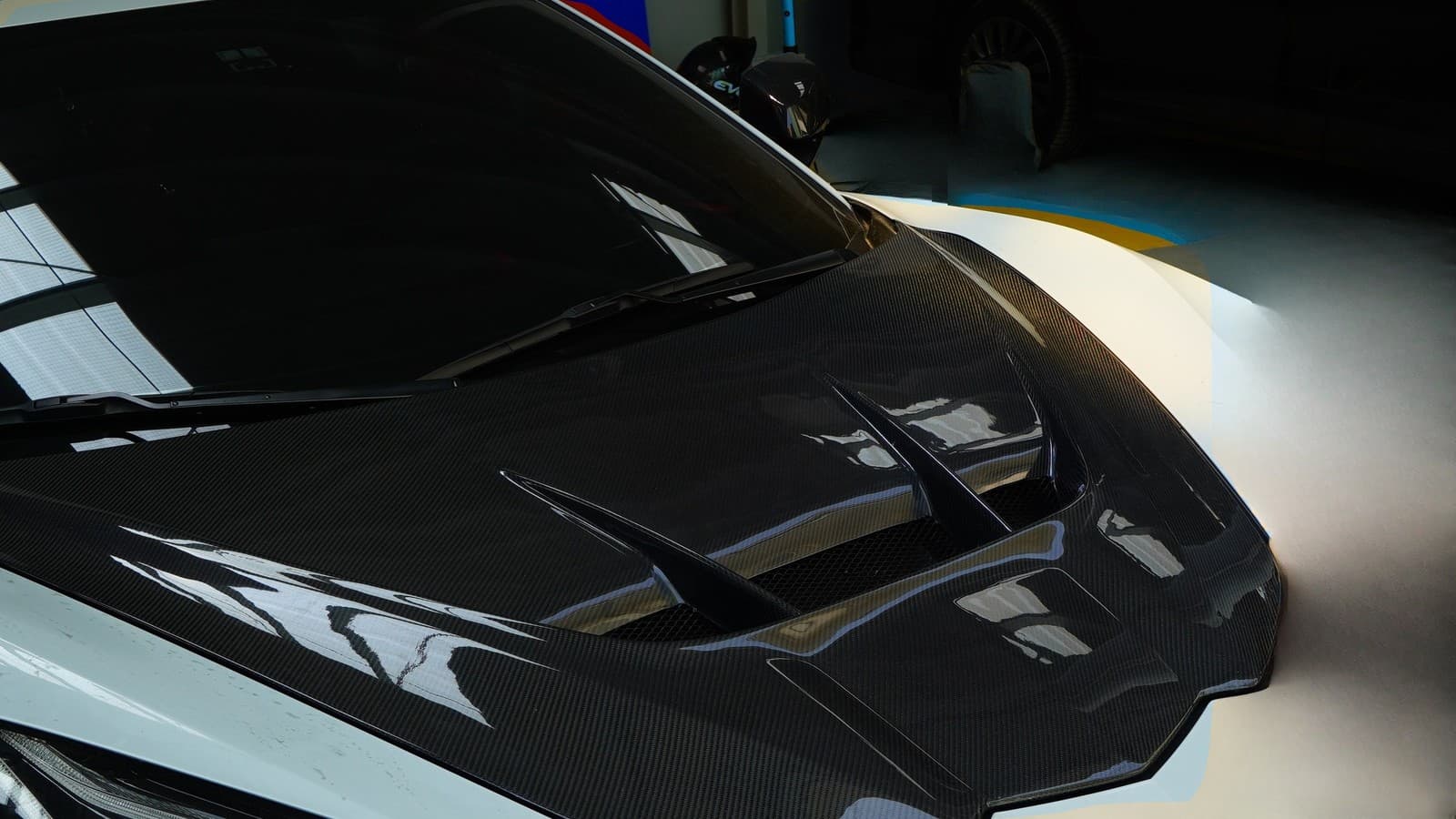
Dry carbon, wet carbon and FRP
Dry (pre-preg) carbon uses resin-impregnated cloth, often cured under vacuum and heat. Consistent, light, stiff. Common on higher-end hoods and wings.
Wet carbon has resin added by hand during layup. Still real carbon. Usually a bit heavier and less uniform than dry, often cheaper.
FRP / fiberglass is glass cloth and resin. Strong enough for many lips and kits, heavier than carbon, no real carbon weave unless someone wraps or prints one on top.
When we do carbon fiber hood and wing work, we want the part's construction stated clearly before you pay — dry, wet or FRP — not a vague "carbon style" label.
How to spot fake carbon
- Look at the backside. Real carbon shows weave through the thickness. A print or wrap stops at the outer skin; the back is smooth plastic or plain FRP.
- Weight. Real carbon feels light for its size and stays stiff. Plastic lookalikes feel hollow or soft.
- Flex test. Gentle pressure on a flat area: real pieces resist; printed shells often oil-can.
- Edges and drill holes. Real layups show layered cloth at a cut edge. A print ends like a sticker.
- Ask how it was made. If the seller cannot say wet, dry or FRP, walk away.
UV in the Philippines is unkind to cheap wraps and prints. A fake weave that looked deep in the air-conditioned mall can go flat and cloudy parked outside.
Body kits: carbon, FRP and fitment
A full kit is more than the material. Fitment to the bumper lines, gap consistency and how the kit mounts to OEM points decide whether the car looks built or bolted-on.
For GR86 / 86 / BRZ aero we often mix real carbon pieces (lip, wing, mirrors) with quality FRP where it makes sense. See GR86 body kit for how those cars are usually approached, and body kit installation for the fitting side.
Never assume a cheap "carbon" widebody is structural carbon. Ask.
Questions to ask the shop or seller
- Is this dry carbon, wet carbon or FRP?
- Can I see the backside and a raw edge?
- Is the clear coat UV-stable for outdoor parking?
- Who makes it, and do you have fitment notes for my chassis?
- Painted or raw weave — and will you clear or ceramic it after install?
FAQ
Is wet carbon "fake"?
No. Wet carbon is real carbon fiber. Dry pre-preg is usually lighter and more consistent, but both are genuine cloth layups.
Can I wrap over FRP to get a carbon look?
Yes, and that can look good. Just call it a wrapped FRP part, not a carbon part. Honesty avoids disappointment later.
Do real carbon hoods need hood pins?
Many aftermarket hoods are designed around OEM latches; some track-oriented pieces call for pins. Follow the maker's guidance for your specific hood.
Will fake carbon hurt performance?
It will not give you the weight save you paid for, and a flexy lip or wing can crack or vibrate. The risk is wasted money and a part that ages badly in the sun.
Related
- Service: carbon fiber hood · body kit installation
- Car hub: GR86 body kit
- Related guide: Catted vs catless downpipes